
Dilapidations can become one of the most costly and stressful aspects of property ownership or leasing if they are not handled correctly. For landlords and tenants in Harrow and across the capital, understanding dilapidations in London is essential to protecting your financial position and avoiding disputes at lease end.
Whether you own a commercial building, manage a residential portfolio, or occupy leased premises, dilapidations obligations can arise unexpectedly. Many disputes stem from unclear lease wording, lack of early advice, or misunderstanding legal responsibilities. With London’s diverse building stock and rising repair costs, the risks are higher than ever.
In this guide, KEYS Consulting Ltd explains what dilapidations are, how they affect property owners, and how professional advice can help you manage liabilities confidently and cost-effectively.
What Are Dilapidations and Why Do They Matter in London?
Dilapidations refer to breaches of lease obligations relating to the condition, repair, or reinstatement of a property. These obligations are typically enforced when a lease ends, although interim dilapidations can also arise during the lease term.
In London, dilapidations are particularly significant due to:
- High construction and repair costs
- Older building stock requiring specialist repairs
- Complex lease agreements
- Strong legal enforcement of landlord rights
Failing to address dilapidations correctly can result in significant financial claims, legal disputes, and delays in reletting or selling a property.
How Dilapidations Affect Property Owners
For landlords and tenants, dilapidations issues often reflect the borough’s mixed property landscape. Properties range from early twentieth-century commercial buildings to modern developments, each with different maintenance risks.
This is particularly relevant across boroughs such as Harrow, Brent, and Ealing, where older building stock, varied lease structures, and changing use patterns can increase exposure if obligations are not managed proactively.
Common dilapidations issues include:
- Internal disrepair due to wear and tear
- Failure to reinstate alterations
- Mechanical and electrical non-compliance
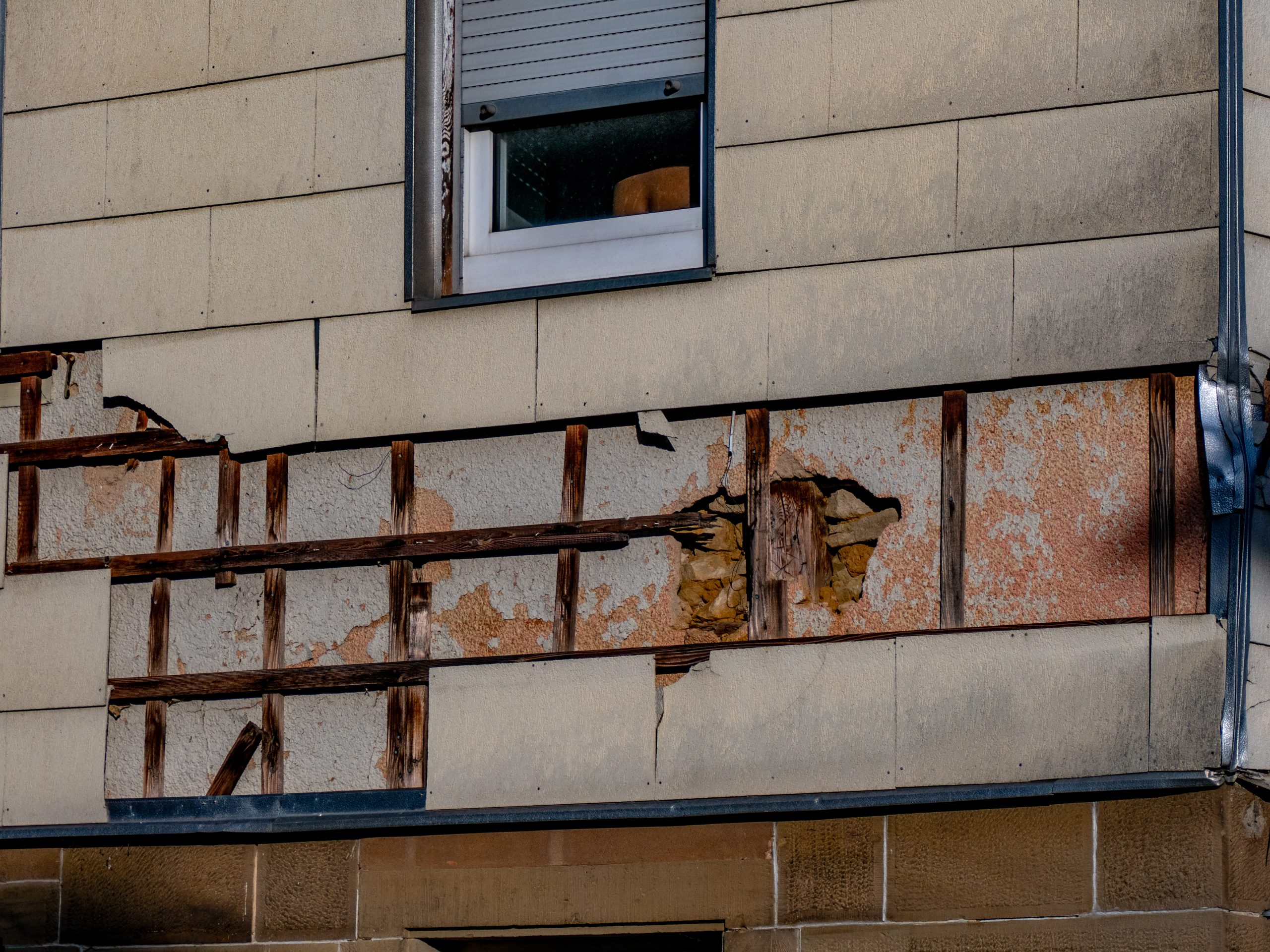
- External fabric deterioration
- Roofing and drainage defects
Understanding dilapidations for landlords and tenants early allows both parties to plan, budget, and negotiate effectively.
What Is a Dilapidations Survey and When Is It Needed?
A dilapidations survey involves a professional inspection of the property against lease obligations. The surveyor identifies breaches, assesses the condition, and provides clear advice on liability.
Dilapidations surveys are commonly required:
- At lease expiry
- During the lease term for interim schedules
- When negotiating lease exits
- Prior to property acquisition
Survey findings form the basis of a schedule of dilapidations, which outlines required repairs and reinstatement works.
Where a property is being acquired, dilapidations advice is often considered alongside residential surveys to help buyers understand pre-acquisition condition risks and potential future liabilities.
Landlords and tenants can learn more about professional inspection approaches by exploring the firm’s residential and commercial surveying services.
Interim vs Terminal Dilapidations, What Is the Difference?
What Are Interim Dilapidations?
Interim dilapidations occur during the lease term. They allow landlords to require tenants to address disrepair before lease expiry. This can reduce long term deterioration and protect asset value.
What Are Terminal Dilapidations?
Terminal dilapidations arise at lease end. They often involve reinstatement of alterations and final repair obligations. These claims can be substantial if issues have been left unresolved.
Understanding the difference between interim and terminal claims is crucial when dealing with dilapidations claims London-wide.
Common Causes of Dilapidations Disputes
Dilapidations disputes frequently arise due to:
- Poorly understood lease clauses
- Delayed professional advice
- Inadequate maintenance records
- Disagreements over repair standards
- Misinterpretation of wear and tear
Many disputes could be avoided with early engagement of a chartered surveyor experienced in commercial dilapidations advice.
The Role of a Chartered Surveyor in Dilapidations Matters
A chartered surveyor plays a vital role in managing dilapidations fairly and professionally. Their responsibilities include:
- Reviewing lease obligations
- Inspecting the property condition
- Preparing schedules of dilapidations
- Advising on reasonable repairs
- Supporting negotiations and dispute resolution
At KEYS Consulting Ltd, dilapidations advice is grounded in technical expertise and real world experience, helping clients reach commercially sensible outcomes.
In one recent instruction, early dilapidations advice helped a client assess lease-end liabilities before exit, allowing remedial works to be scoped proportionately and reducing the overall claim through informed negotiation.
Property owners dealing with wider asset or refurbishment decisions may also benefit from integrated advice through the firm’s project and development management services.
How Dilapidations Are Valued and Negotiated
Dilapidations claims are not simply based on repair costs. Under UK law, landlords must consider diminution in value, which limits claims to actual financial loss.
Key valuation considerations include:
- Cost of remedial works
- Impact on property value
- Likely reinstatement requirements
- Market conditions at lease end
Professional negotiation supported by survey evidence can significantly reduce exposure and prevent escalation. Where remedial works are required, dilapidations outcomes are often supported by defects inspections to confirm root causes and inform proportionate repair strategies.
Where remedial works are required, dilapidations advice can be integrated with wider project and development management support.
When Should Harrow Property Owners Seek Dilapidations Advice?
You should seek advice if:
- Your lease is approaching expiry
- You are planning to vacate premises
- You are acquiring a leased property
- You have received a schedule of dilapidations
- You want to minimise financial exposure
Proactive advice almost always costs less than reactive dispute resolution.
How KEYS Consulting Supports Dilapidations in Harrow
KEYS Consulting Ltd provides independent advice on dilapidations in London, supporting landlords and tenants with:
- Dilapidations surveys
- Schedule preparation
- Negotiation support
- Strategic exit planning
- Integrated property consultancy
Our chartered surveyors combine technical knowledge with practical insight to protect client interests.
Common Questions About Dilapidations
Are dilapidations enforceable in residential leases?
Yes, dilapidations obligations can be enforceable in residential leases, depending on the wording of the agreement and statutory protections. Professional advice is essential to determine whether claims are reasonable and legally compliant.
How long do dilapidations claims take to resolve?
Timescales vary depending on complexity, cooperation between parties, and whether negotiations escalate. Straightforward claims may be resolved in weeks, while disputed matters can take several months.
Can dilapidations claims be reduced?
In many cases, yes. Claims may be limited by legal principles such as diminution in value, and early professional negotiation can significantly reduce exposure.
Speak to a Dilapidations Specialist in Harrow
If you are dealing with dilapidations or want to plan ahead, early advice makes all the difference. Speak to KEYS Consulting Ltd today for trusted, professional support tailored to your property and lease position. Book an appointment to discuss your dilapidations requirements with an experienced surveyor.