Technical Due Diligence Survey for a Care Home in Bedford
An independent Commercial Building Survey, supported by a full specialist Mechanical, Electrical and Public Health Condition Report, to identify property risks, repair liabilities and future expenditure before acquisition.
Supporting an Informed Commercial Property Acquisition
KEYS Consulting was instructed to undertake a Technical Due Diligence assessment, incorporating a Commercial Building Survey and supported by a full Mechanical, Electrical and Public Health (M&E) Condition Report, for Henrietta House, an operational care home located on Dynevor Road in Bedford.
The client was considering acquiring the pre-1900, three-storey property, which provides 23 bedrooms across approximately 642 m². The building incorporated original solid brick construction, later extensions and a combination of traditional and modern building elements.
Our role was to assess the property's condition, review building fabric and services, identify significant technical risks and provide independent advice to inform the purchaser's assessment of repair liabilities, future capital expenditure and acquisition risks.
Identifying Property Risks Before Acquisition
The age, construction and operational use of Henrietta House presented several technical considerations for the prospective purchaser.
The client required a detailed understanding of the building's condition and potential financial exposure, particularly where defects, ageing components or building services could affect future maintenance expenditure.
The assessment also needed to consider the condition of mechanical, electrical and public health installations, alongside the building fabric, to establish a broader understanding of the property's technical risks.
The principal concerns included:
- Ageing roof coverings and flat-roof extensions with limited remaining service life.
- Older timber single-glazed windows in poor condition.
- Localised dampness, water staining and potential water ingress.
- Evidence of movement affecting parts of the building.
- Deteriorating timber elements, including doors affected by wet rot.
- Potential asbestos-containing decorative finishes.
- High electrical demand associated with the existing heating arrangements.
- Building services condition, statutory considerations and potential future maintenance requirements.
Restricted access to certain high-level areas also required careful consideration of inspection limitations.
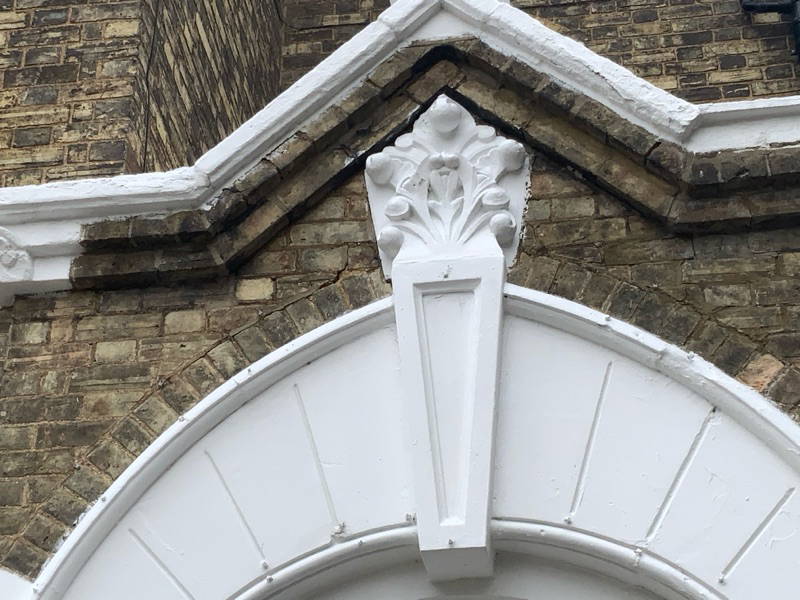
Entrance porch recorded during the building inspection at Henrietta House.
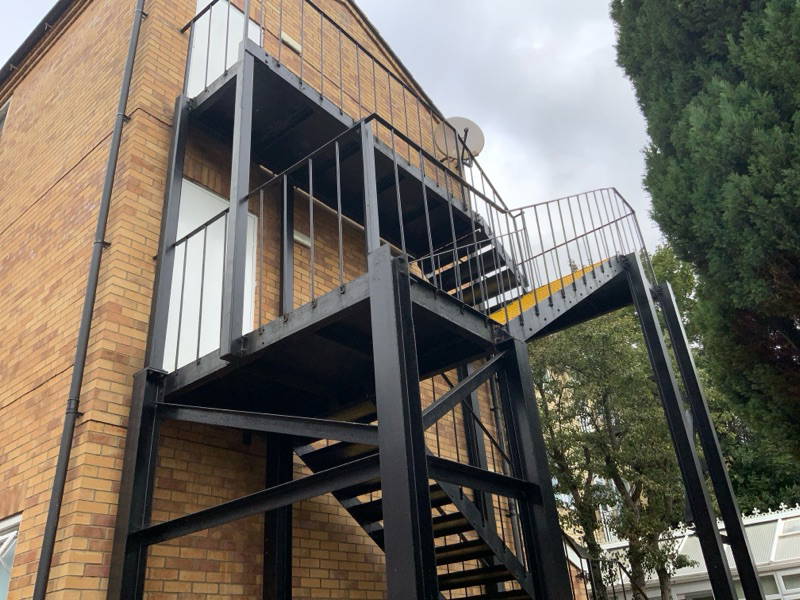
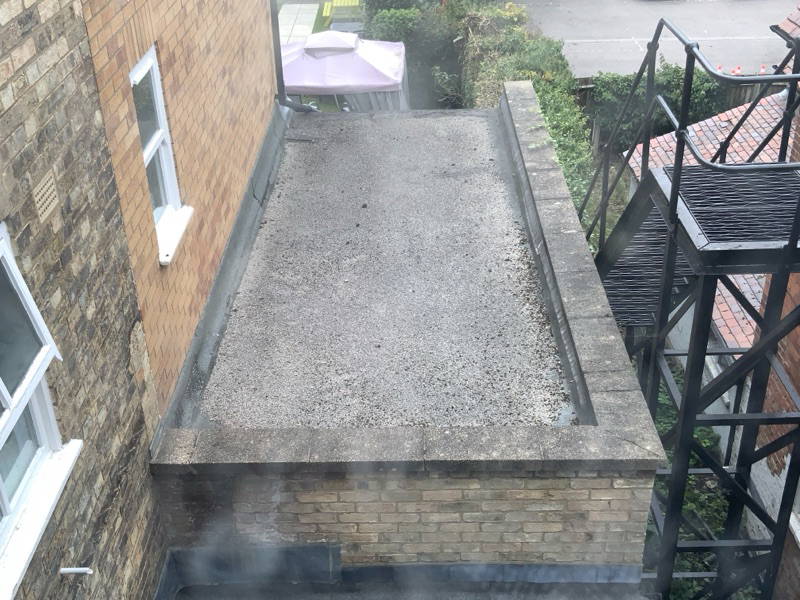
External building elements documented as part of the Commercial Building Survey.
Understanding the Financial Implications
The client needed to distinguish immediate repair requirements from medium and longer-term maintenance obligations, while understanding how the combined building fabric and M&E findings could influence the proposed purchase price, ongoing operational expenditure and future investment requirements.
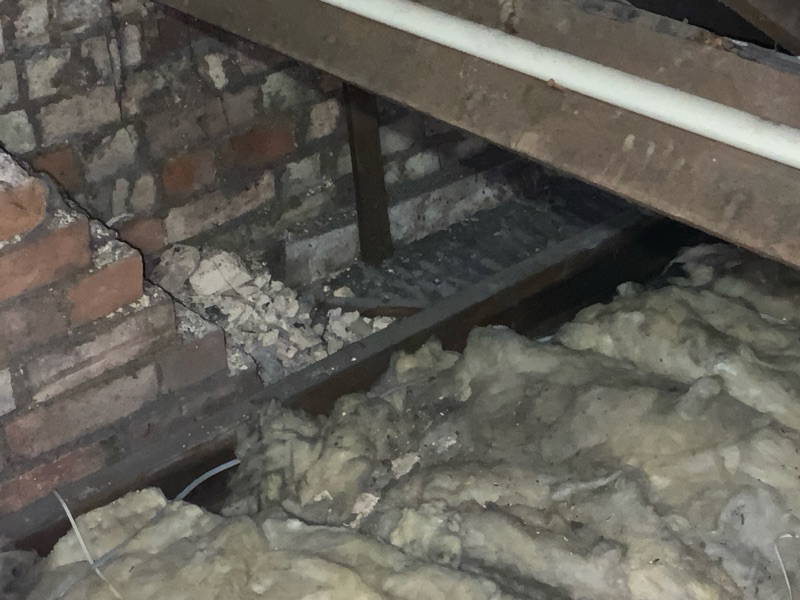
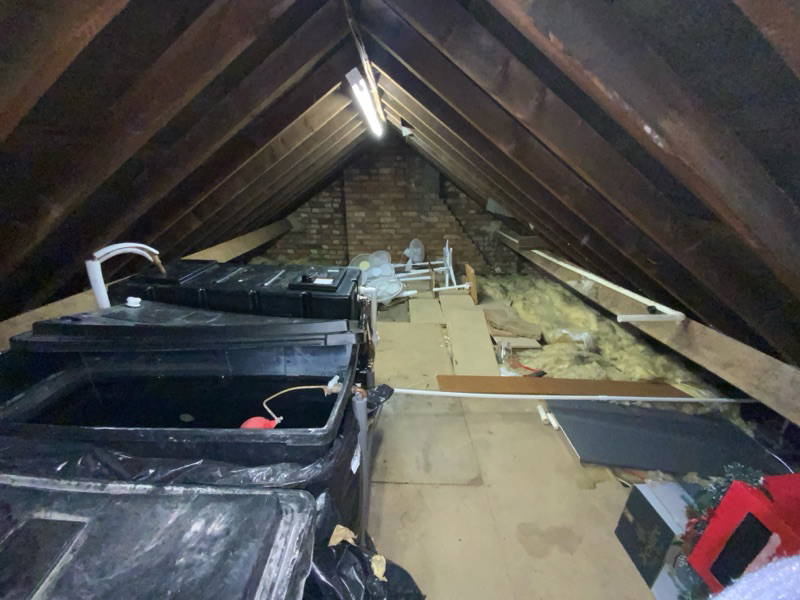
Internal roof structure recorded during the inspection of accessible building elements.
Technical Due Diligence, Building Survey & Full M&E Assessment
We inspected Henrietta House on 18 September 2024, undertaking a Technical Due Diligence assessment comprising a Commercial Building Survey, supported by a full Mechanical, Electrical and Public Health (M&E) Condition Report prepared by specialist consulting engineers.
The combined assessment considered the condition of the building fabric, accessible structural elements, mechanical and electrical installations, public health services and associated statutory considerations.
We examined the property's condition, identified visible defects and reviewed available documentation to establish the likely implications for continued occupation, repair expenditure and future investment.
Key Building Defects & Technical Risks Identified
The inspection and specialist M&E assessment identified several matters requiring attention, ranging from building fabric deterioration to structural monitoring and future energy efficiency considerations.
Flat Roofs
Extensions with an estimated remaining service life of approximately 10–15 years, together with localised water staining.
Windows
Older single-glazed timber windows in poor condition, with implications for maintenance and energy efficiency.
Structural Movement
Evidence of movement affecting parts of the property, including the entrance porch, requiring continued monitoring.
Drainage
Porch downpipes discharging water close to external walls, contributing to moss accumulation and potential moisture problems.
Timber Deterioration
Double timber rear doors affected by advanced wet rot.
Potential Asbestos
Textured decorative ceiling coverings that could contain asbestos fibres and required appropriate further investigation.
Building Services
High electrical demand associated with wall-mounted heaters, warranting further energy efficiency assessment.
M&E Condition
The specialist report assessed building services condition, functionality and maintenance priorities, providing additional technical information to support the acquisition assessment.
Our findings were presented with targeted recommendations, distinguishing observed defects from matters requiring further investigation or documentary confirmation.
Documenting the Property's Condition
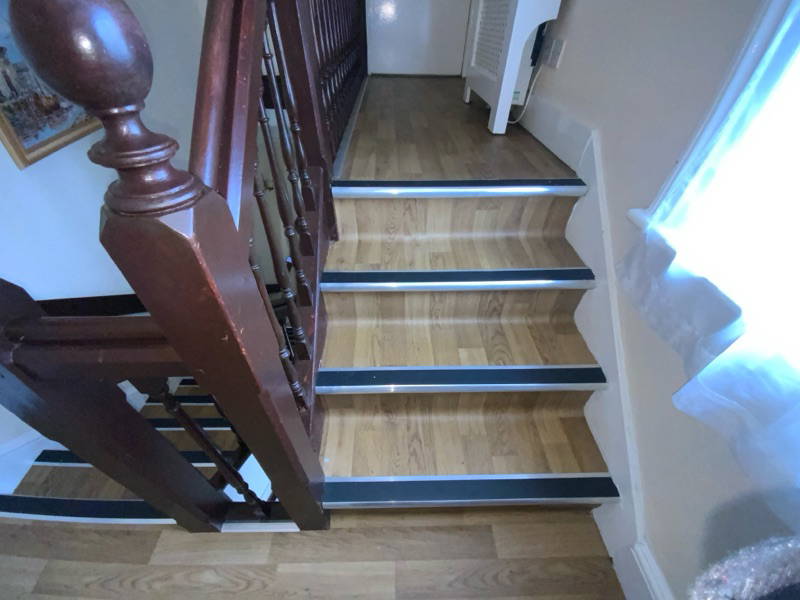
The building inspection recorded accessible roof structures, roof coverings, internal joinery and other building elements to support the assessment of condition, repair requirements and future maintenance liabilities.
Assessing Building Condition, Statutory Requirements & Expenditure Priorities
Our Technical Due Diligence assessment combined building fabric findings with a specialist M&E Condition Report, identifying repair liabilities, statutory considerations and future expenditure priorities.
The M&E report applied condition grades and priority ratings to individual building services, with key findings including:
| Building Service | Condition Grade | Priority | Assessment Findings |
|---|---|---|---|
| Electrical Infrastructure | B | Priority 3 | Satisfactory condition with minor deterioration and desirable maintenance requirements. |
| Cold Water Services | B | Priority 2 | Essential works within the report's six-to-twelve-month priority category. |
| Heating & Lighting | B | Priority 3 | Opportunities to improve energy efficiency and plan future upgrades. |
| Drainage & Kitchen Ventilation | A | Priority 4 | Good condition with longer-term maintenance considerations. |
Condition grades and priority ratings are taken from the specialist M&E Condition Report prepared in connection with the September 2024 assessment.
Combining Building Fabric & Specialist Engineering Findings
The building survey additionally identified ageing flat-roof coverings, timber deterioration and structural movement requiring monitoring.
Together, these findings helped the purchaser distinguish immediate concerns from planned maintenance and future capital expenditure, providing a clearer understanding of technical liabilities and acquisition risks.
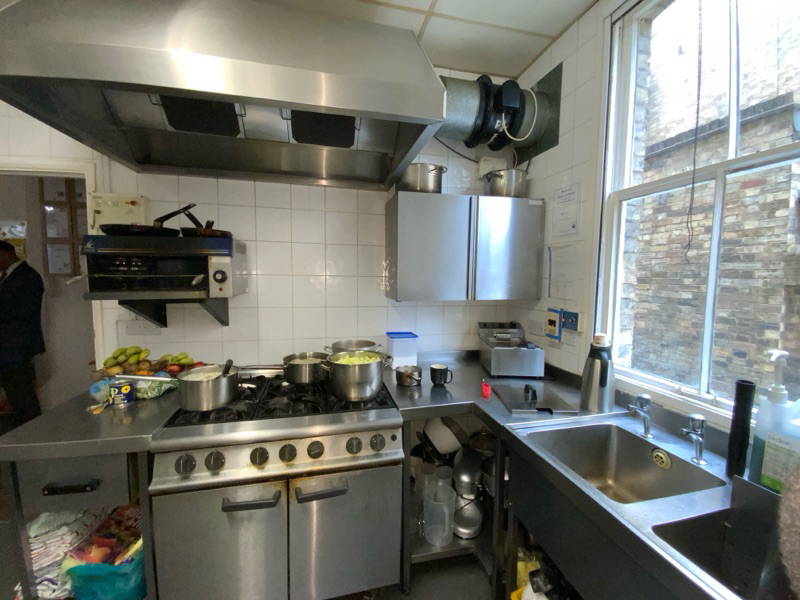
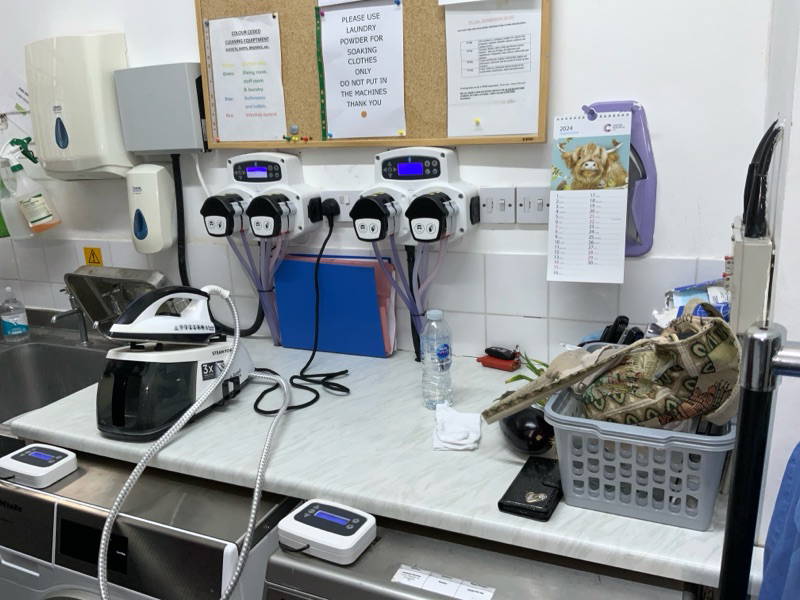
Assessing the Operational Property
The inspection considered accessible internal building elements and fittings alongside the external fabric and specialist assessment of building services.
Identifying Compliance Considerations & Documentation Gaps
The statutory documentation review identified an unsatisfactory Electrical Installation Condition Report (EICR), including C2 observations requiring remedial action and FI observations requiring further investigation.
A further EICR and associated remedial works were recommended.
Electrical Installation Condition Report
The available EICR was unsatisfactory and contained C2 and FI observations. Further electrical inspection and associated remedial works were recommended.
Asbestos Documentation
Asbestos survey documentation was unavailable. Potential asbestos-containing decorative finishes also required appropriate further investigation.
Legionella Risk Assessment
Legionella risk assessment documentation was unavailable for review and required further verification.
Planning & Building Regulations
Outstanding building regulations and planning records relating to certain extensions and alterations required further verification.
Distinguishing Confirmed Findings from Outstanding Information
The unavailable documentation and outstanding records required further verification and did not automatically establish non-compliance.
The assessment distinguished identified technical concerns from matters requiring further investigation or documentary confirmation.
Informing Repair Liabilities, Future Expenditure & Acquisition Risks
The completed Technical Due Diligence assessment and full M&E Condition Report provided the prospective purchaser with a clear understanding of Henrietta House's condition, repair liabilities and potential future expenditure.
Our assessment distinguished confirmed defects from potential risks requiring further investigation, helping the purchaser understand the property's immediate and longer-term liabilities.
This provided an evidence-based foundation for evaluating acquisition risks and anticipated expenditure, without assuming a confirmed purchase price adjustment or final transaction outcome.
The Importance of Professional Technical Due Diligence
This Bedford care home project demonstrates why commercial property acquisitions require more than a general assessment of visible building defects.
A comprehensive Technical Due Diligence assessment, supported by a full M&E report, enables purchasers to consider building fabric and services together when assessing the condition, operational requirements and potential financial liabilities of a commercial asset.
Ageing building components, structural concerns, energy efficiency, statutory compliance considerations and future maintenance requirements can all influence the financial implications of acquiring an operational property.
At KEYS Consulting, we combine technical building surveying expertise with practical construction knowledge to provide independent, evidence-based advice.
Based in Harrow, we support commercial property investors, developers, landlords and purchasers across London, the South East and other locations where our expertise is required.
Buying a Commercial Property? Identify the Risks Before You Commit.
Whether you're acquiring a care home, office building, retail premises or another commercial property, understanding its condition and potential liabilities before purchase is essential.
At KEYS Consulting, our Technical Due Diligence assessments help prospective purchasers identify building defects, evaluate repair liabilities and understand future maintenance expenditure and acquisition risks.
Contact our team to discuss your proposed acquisition and the technical assessment required to support your investment decision.
Discuss Your Property Acquisition Explore Technical Due Diligence Surveys