
Terminal Schedule of Dilapidations in Stratford, London | Supporting a New Tenancy
An independent assessment of repair obligations, potentially unauthorised alterations and lease compliance to support a landlord preparing a mixed-use property for reletting.
Protecting the Landlord's Position Before Reletting
KEYS Consulting was instructed to prepare a Terminal Schedule of Dilapidations for a mixed-use commercial property on Leytonstone Road in Stratford, London.
The landlord intended to grant a new tenancy and required a detailed assessment of the premises to identify outstanding repairs, potentially unauthorised alterations and possible breaches of lease obligations.
Our role was to provide an independent, evidence-based assessment and strategic advice to help protect the landlord's position before reletting.
Identifying Dilapidations and Lease Breaches
The property had undergone several alterations during the existing tenancy, raising concerns about compliance with the lease dated 7 June 2011 and the Licence to Assign and Change Use dated 5 August 2022.
The principal issues included:
- Outstanding repairs, decorations and building services obligations.
- Potentially unauthorised basement alterations, including a WC and shower room.
- Changes to the first-floor layout, including the apparent relocation of the kitchen.
- Ground-floor occupation as a florist despite the authorised office use specified in the licence.
An important consideration was distinguishing physical dilapidations from contractual breaches involving alterations and permitted use.
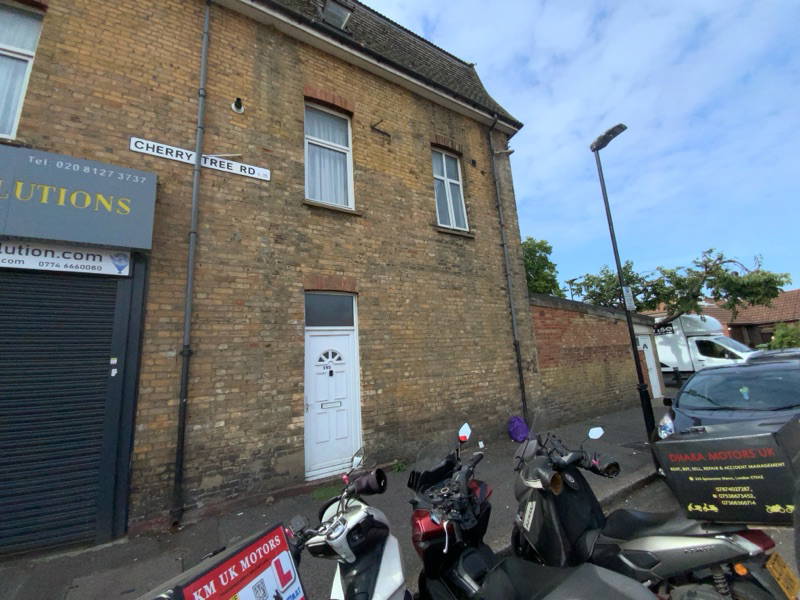
External wall condition recorded during the inspection.
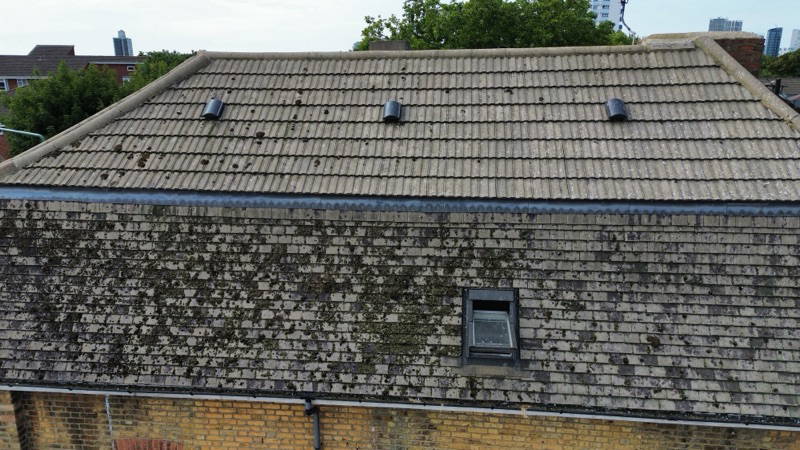
Roof inspection photograph documenting the property's external condition.
Detailed Inspection and Lease Assessment
We inspected the property on 23 July 2026, assessing accessible areas against the relevant lease obligations and associated licence.
Our inspection identified outstanding repairs, decorative works and alterations requiring further consideration.
We assessed the remedial works necessary to address the physical dilapidations and prepared a detailed Terminal Schedule, endorsed on 29 July 2026.
Documenting the Building's External Condition
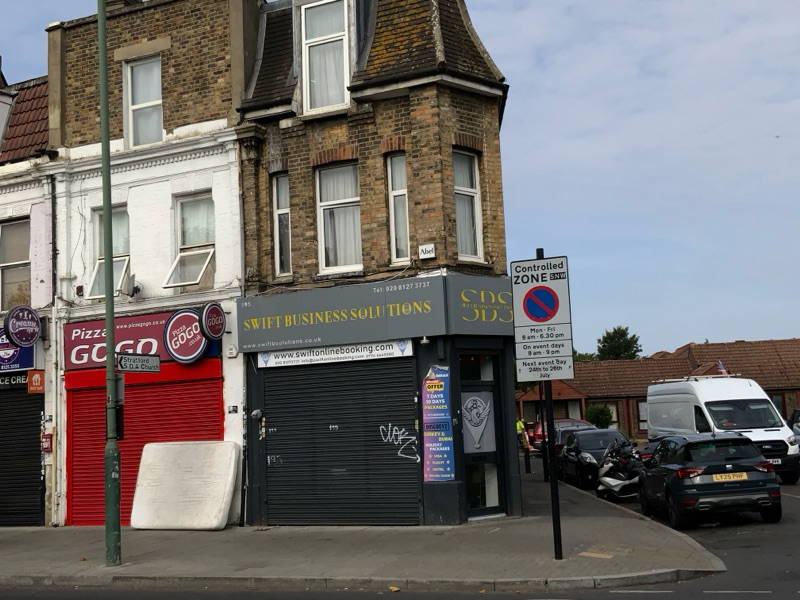
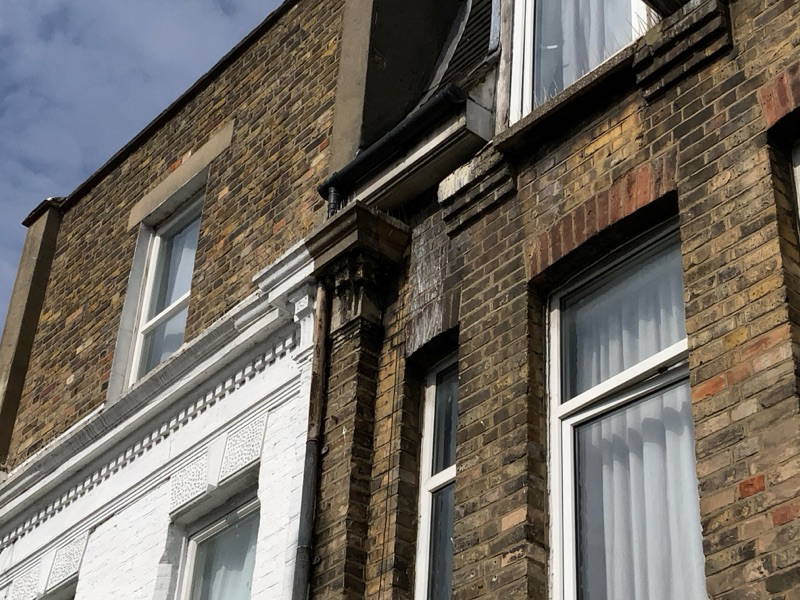
The inspection included consideration of accessible external building elements, including roof coverings, external walls and rainwater goods.
Addressing Potentially Unauthorised Alterations
A significant aspect of the instruction involved assessing the basement and first-floor alterations and considering whether they gave rise to potential reinstatement obligations under the lease.
Although potential contractual breaches and reinstatement requirements were identified, these remained subject to confirmation against the relevant lease documentation, including any licences for alterations or associated agreements.
The landlord's recoverable loss could not be reliably established for certain items without further valuation or legal advice.
Rather than assigning unsupported costs or incorrectly recording a zero value, we identified these matters as Not Quantified.
This ensured that potential liabilities were documented without treating them as established breaches or confirmed recoverable losses.
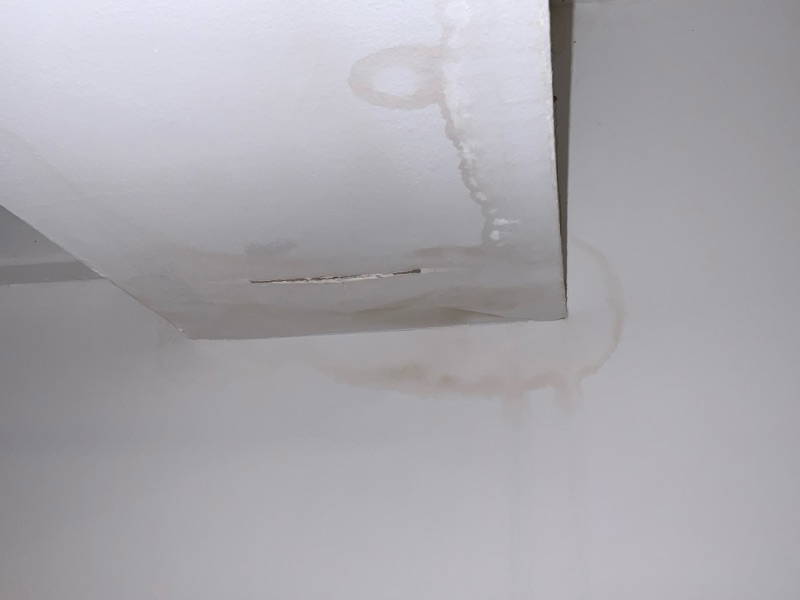
Internal basement condition documented during the inspection.
Assessing Internal Condition and Alterations
The inspection also documented internal walls, ceilings and accessible areas relevant to the assessment of repair obligations and potential reinstatement requirements.
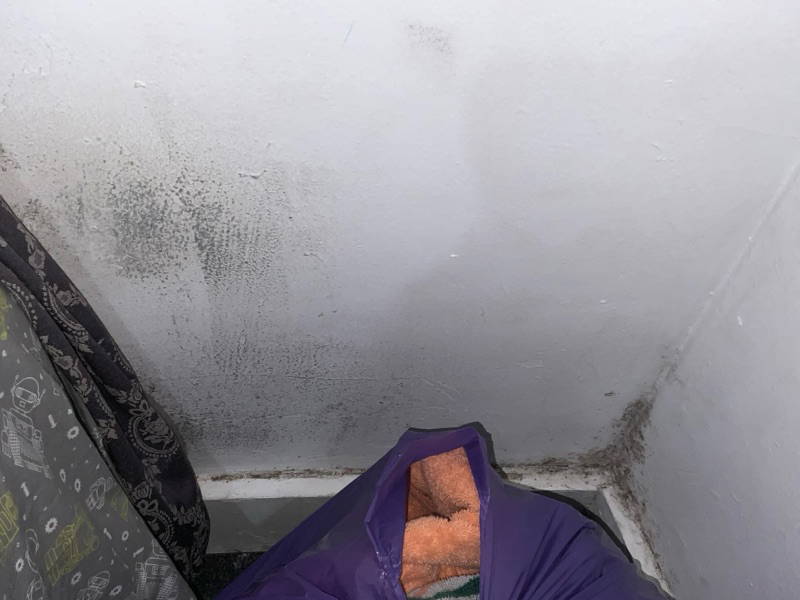
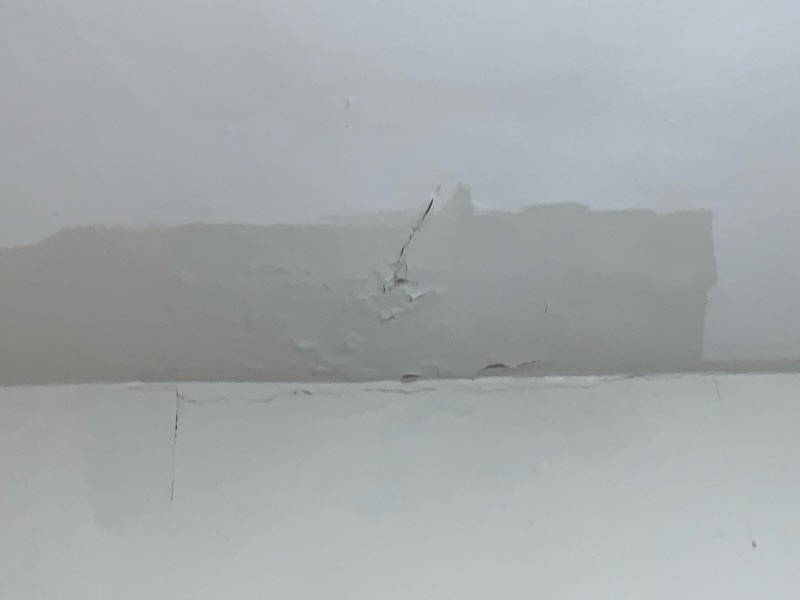
We also noted the apparent difference between the property's authorised office use and its occupation as a florist. Whether this constituted a breach depended on the lease terms and applicable consents. The matter was identified for further consideration separately from physical dilapidations.
Establishing the Landlord's Position
The completed Terminal Schedule provided the landlord with a comprehensive assessment of the property's condition, identified repair obligations and highlighted potential contractual breaches requiring further consideration.
Our advice distinguished between established repair obligations and matters requiring further legal or valuation consideration.
This provided a commercially balanced approach, supporting the landlord's objectives without overstating the claim or prematurely discounting potential liabilities.
The Importance of Professional Dilapidations Advice
This Stratford project demonstrates why a Terminal Schedule of Dilapidations should extend beyond identifying outstanding repairs.
Unauthorised alterations, reinstatement requirements and contractual use restrictions can all affect a landlord's position when a commercial lease ends.
At KEYS Consulting, we combine technical surveying expertise with practical commercial judgement to provide clear, impartial advice.
As an RICS-regulated consultancy with over 35 years of construction and property experience, we support landlords and tenants across Harrow, London and the wider South East.
Our Lease Interim and Terminal Dilapidations Advice helps clients understand their obligations, assess potential liabilities and make informed property decisions.
Need Dilapidations Advice for a Commercial Property in London?
Whether you are preparing a property for reletting, approaching lease expiry or dealing with potentially unauthorised alterations, KEYS Consulting can provide independent professional advice tailored to your requirements.
Our Chartered Surveyors prepare detailed Schedules of Dilapidations and provide strategic guidance to help protect your property interests.
Telephone:
020 8050 5873
Email:
marketing@keys-consulting.co.uk